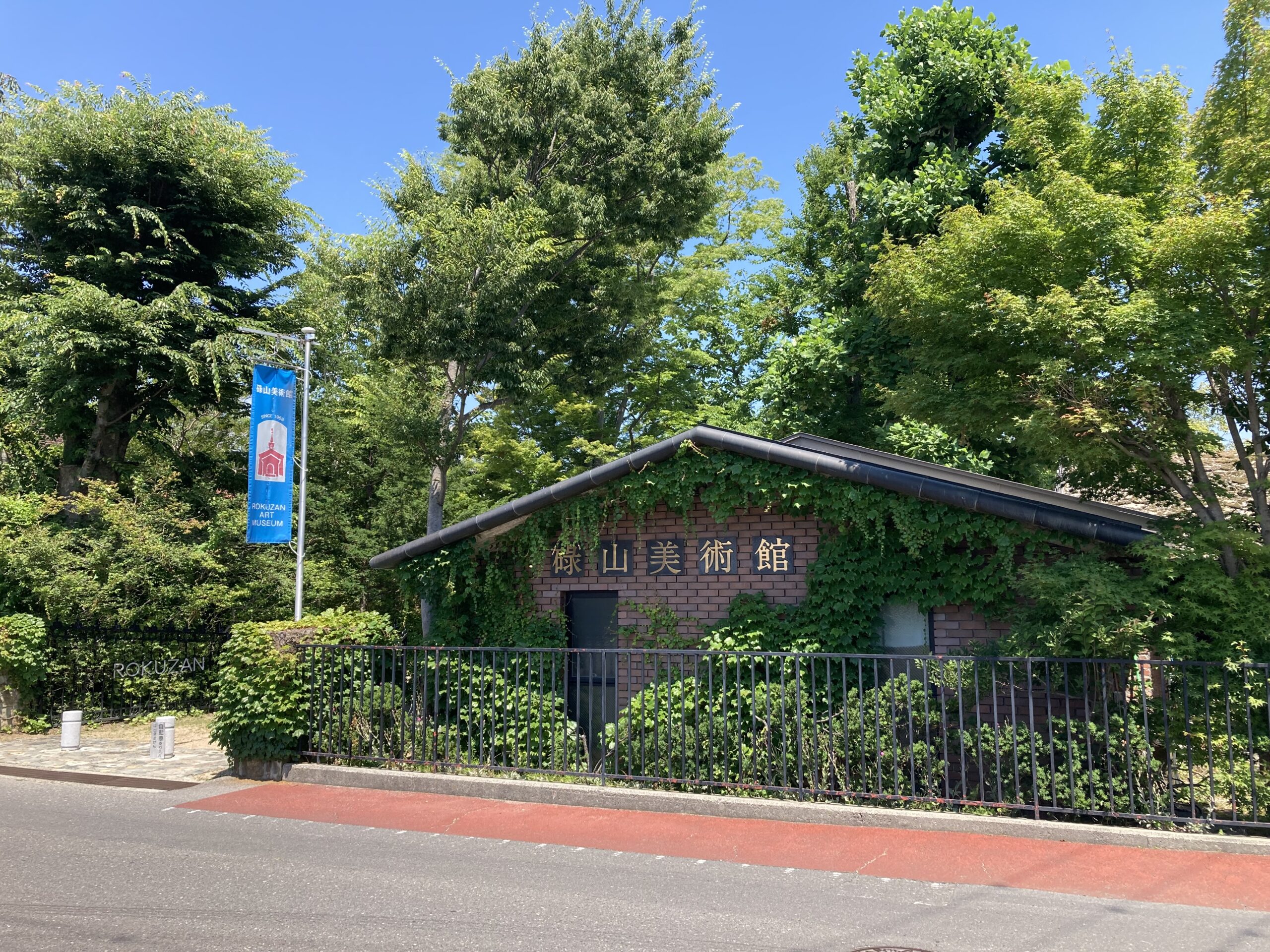
The day after finishing my business in Matsumoto, the sky cleared up into a beautiful sunny day. Having a bit of spare time, I took the Ooito Line to visit the Rokuzan Art Museum in Hotaka. On several past visits to Matsumoto, I had always thought about stopping by, but due to time constraints, it never materialized for a long time. This time, however, my long-cherished dream was finally fulfilled, making it a truly special experience that almost felt as though I was guided by the divine forces of life.
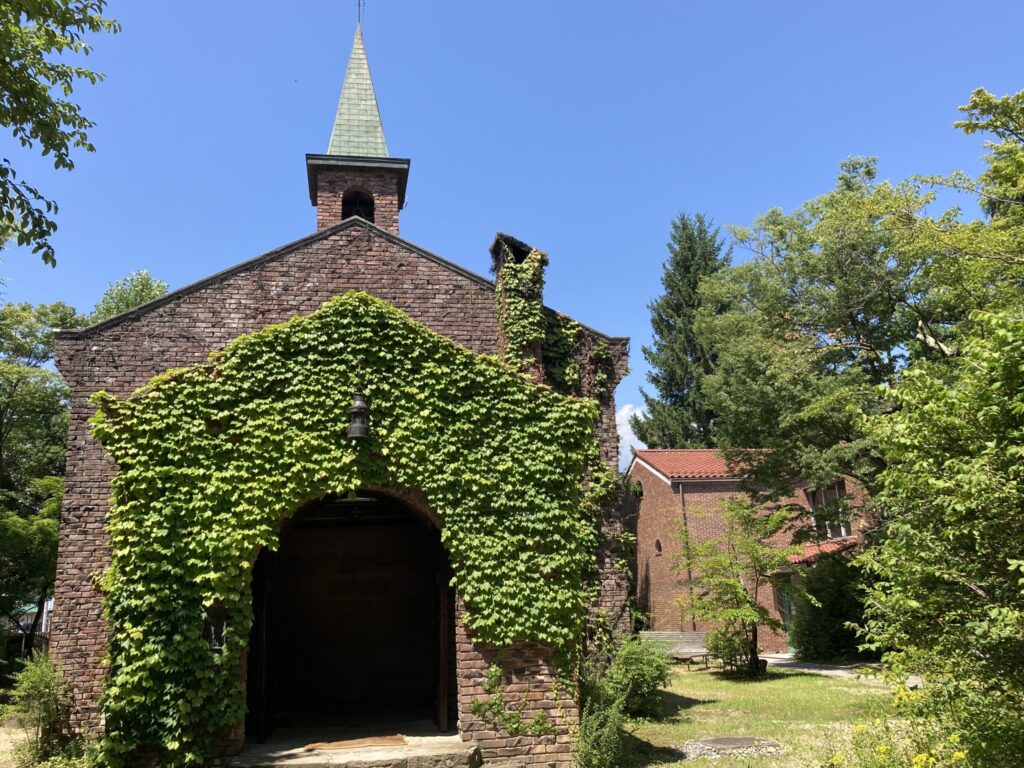
How Do You Read Ogiwara Morie, Rokuzan’s Real Name?
Although I had visited the Rokuzan Art Museum a few times before with friends, to be honest, I didn’t have a special interest in Rokuzan himself back then. Being with my friends was the main focus, and even while looking at the exhibits, my mind was on our casual conversations, leaving me with almost no memory of the artworks or Rokuzan as an individual. In fact, I was so ignorant about him that when reading the exhibition descriptions, I used to read his given name, 守衛 (Morie), in my head as “Shuei” (which sounds like the word for “security guard”).
The Catalyst for This Visit: An Unexpected Encounter
My last visit was actually about 20 years ago, when I came here alone during a business trip to Matsumoto. Even then, my main motivation seemed to be immersing myself in nostalgic memories of my friends rather than an interest in Rokuzan, and I carelessly lost the flip-phone photos I had taken at the time (this was a few years before smartphones appeared and became widespread). I remember it being an exceptionally cold day, with the interior of the building thoroughly chilled, making it hard to concentrate on the artwork. Years later, during a casual stroll through Takaoka Kojo Park, I happened to encounter Rokuzan’s work by chance. Sensing what felt like a twist of fate—as I mentioned at the beginning—I decided to revisit. (Sincere apologies for such a long introduction! m(__)m)
Paying Respects to the Originals Once Again
It is well known that Rokuzan died young, but it was through a chronological timeline on this visit that I first learned he was only 30 years old, had a complex relationship with the wife of his patrons at the time, and that she may have served as the motif for many of his works. Keeping this in mind as I viewed the displayed pieces, their realism and the anguish experienced by both him and the woman pressed vividly upon me.
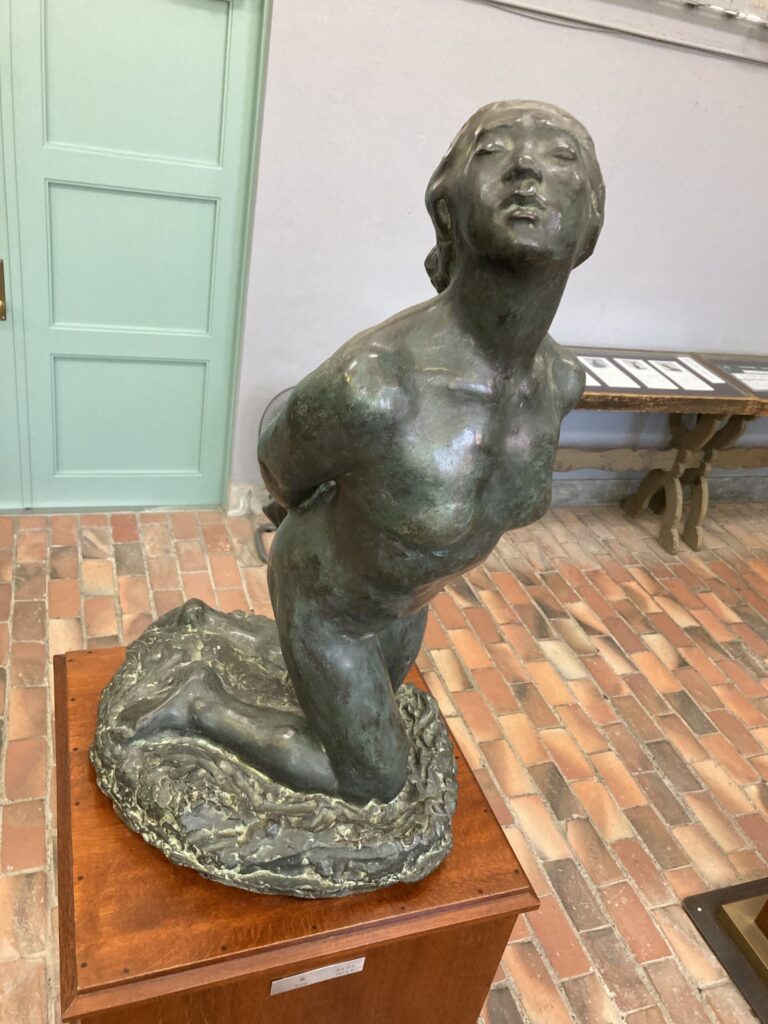
Is This Place a “Rokuzan Shrine”?
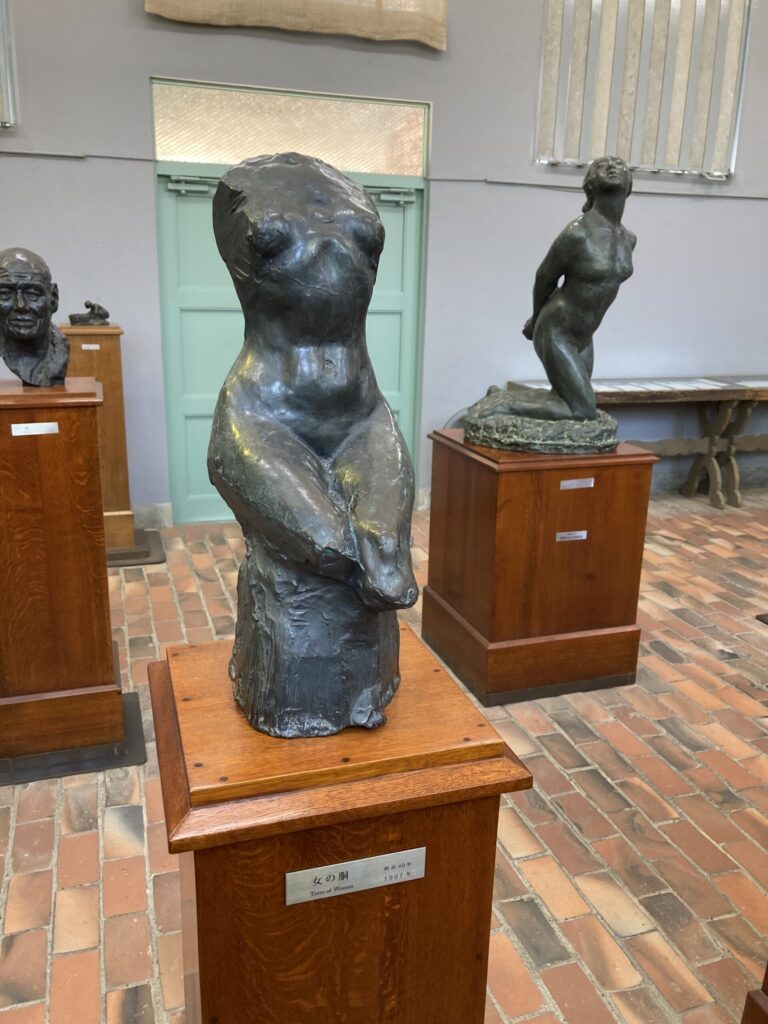
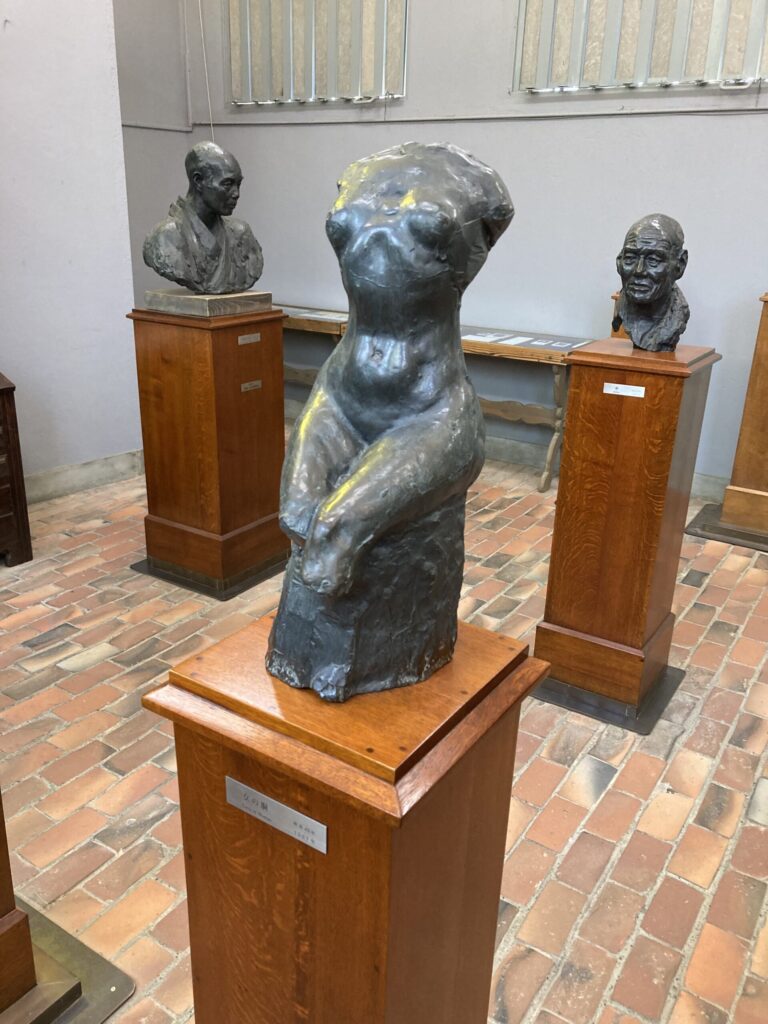
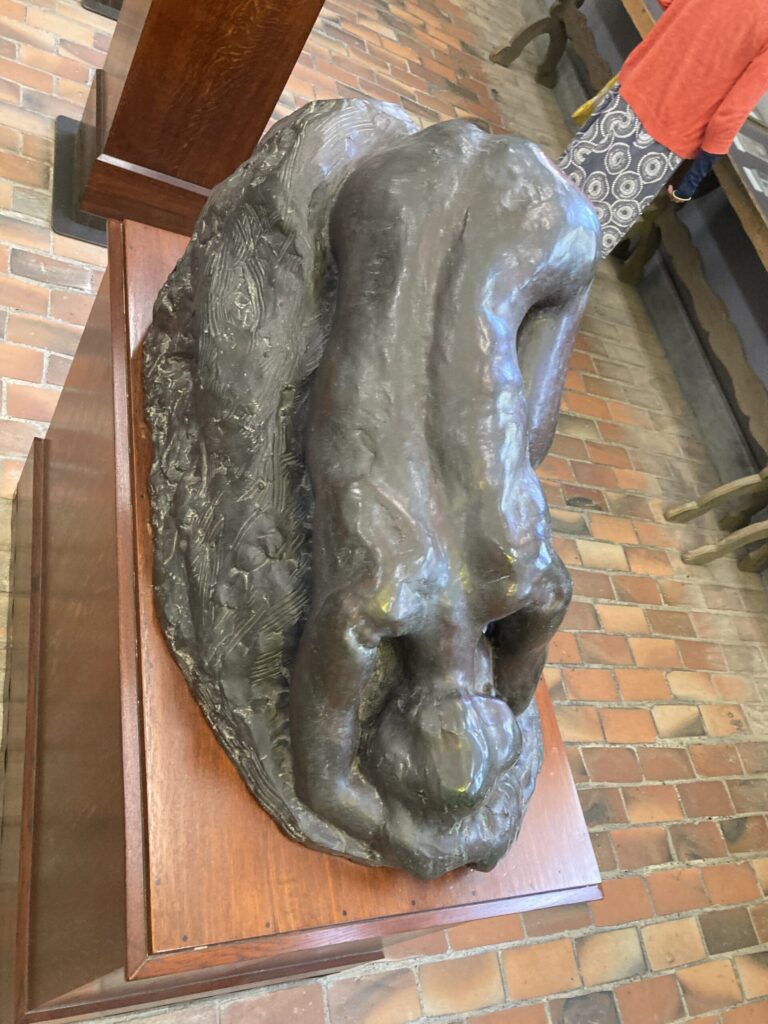
In the previous section, I inadvertently wrote about “paying respects,” but for me, rather than an art museum, this place felt like a shrine dedicated to comforting the lingering regrets of Morie, who met an unexpected death at the age of 30 due to coughing up blood from tuberculosis (both he and those around him believed it wasn’t a fatal level of hemoptysis). His handful of bronze sculptures carried a divine presence, akin to Komainu (guardian lion-dogs) watching over his soul.
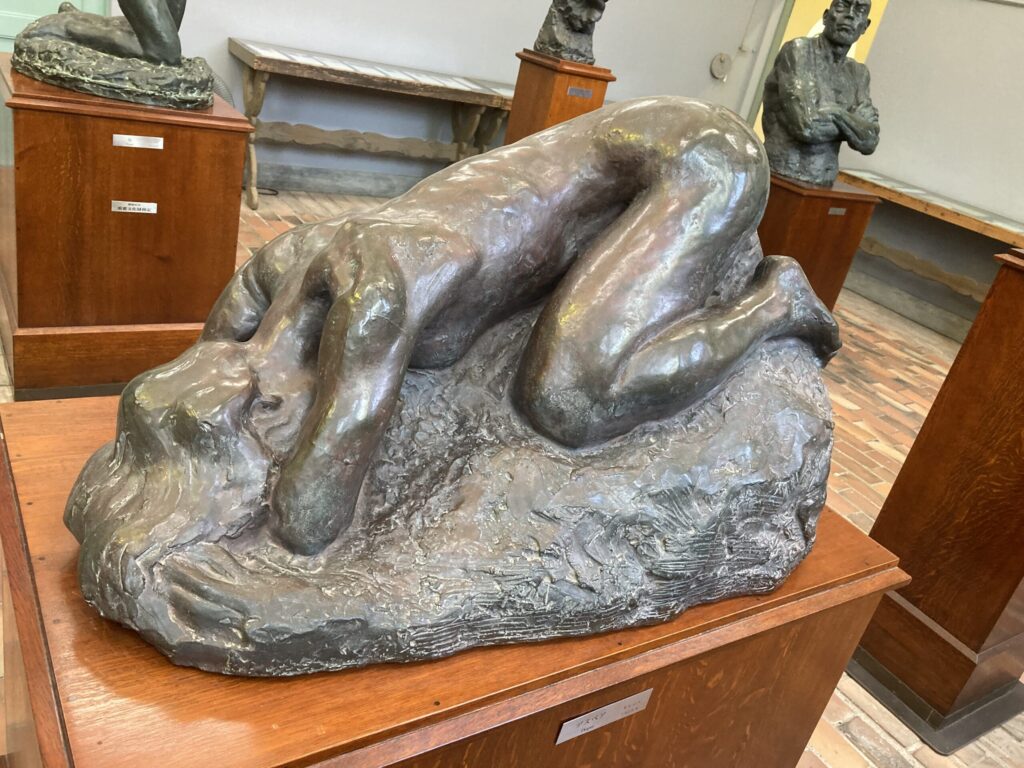
Artworks That Evoke a Sense of Sacredness
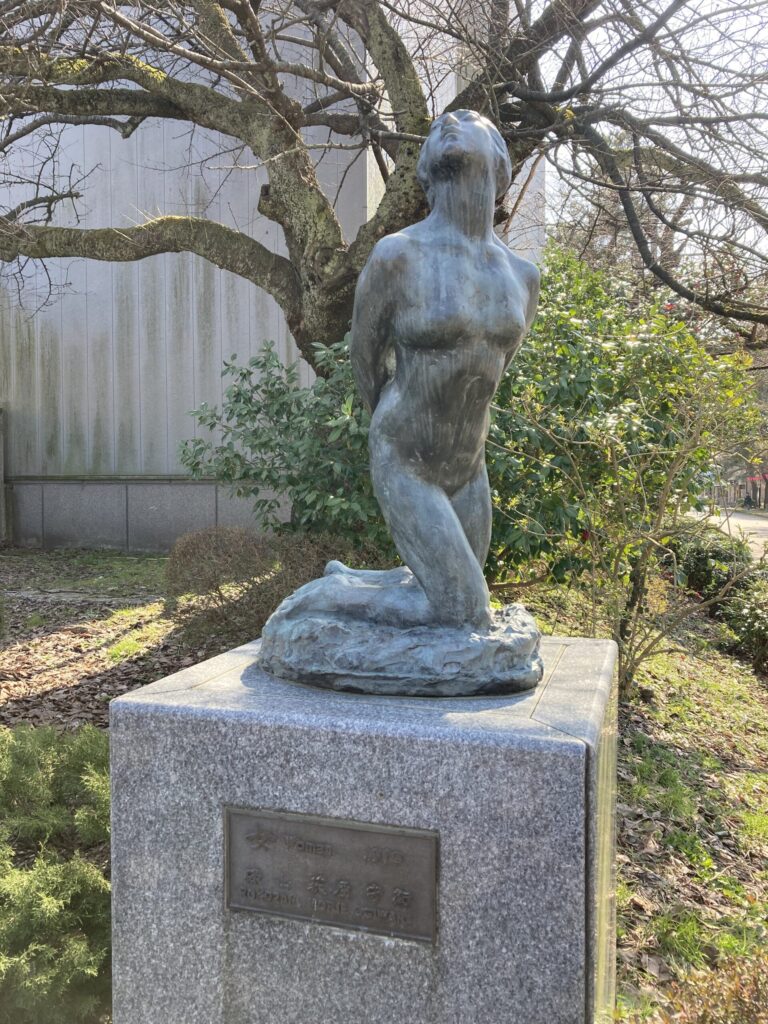
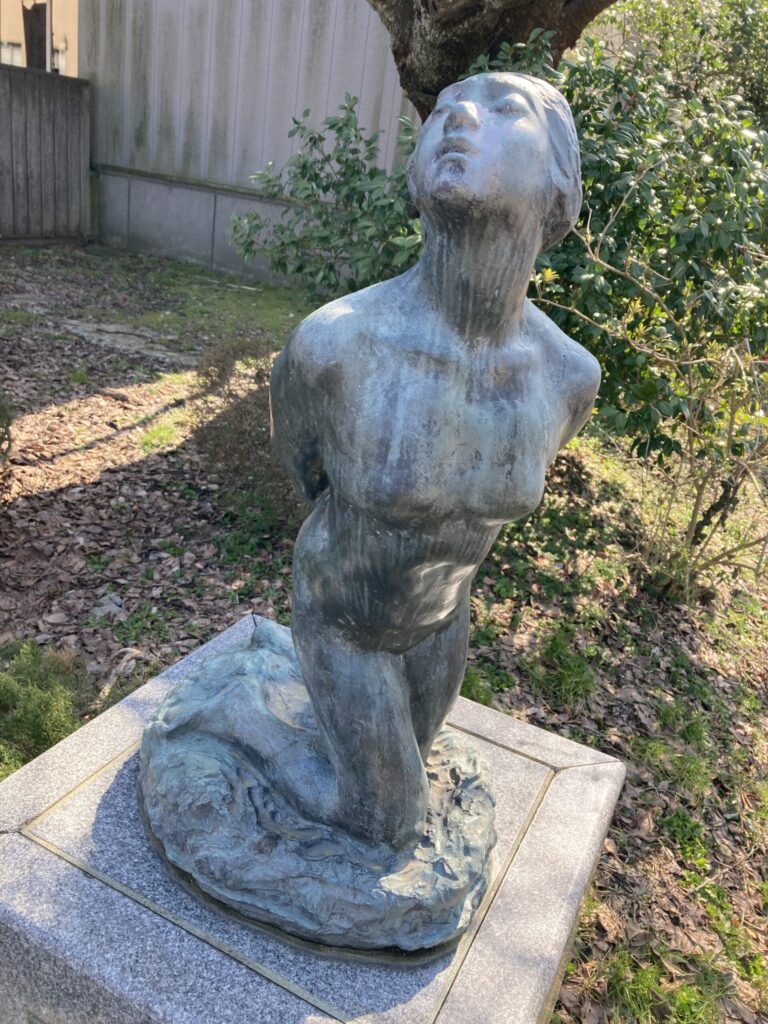
Finally, to convey even a fraction of the unique atmosphere of this exhibition room, I would like to introduce a few pieces. Naturally, photos fall far short of the realism of seeing them in person, so if you wish to experience it yourself, please stop by during your trip to Shinshu (about 30 minutes from Matsumoto on the JR Ooito Line, followed by a 7-minute walk from Hotaka Station).
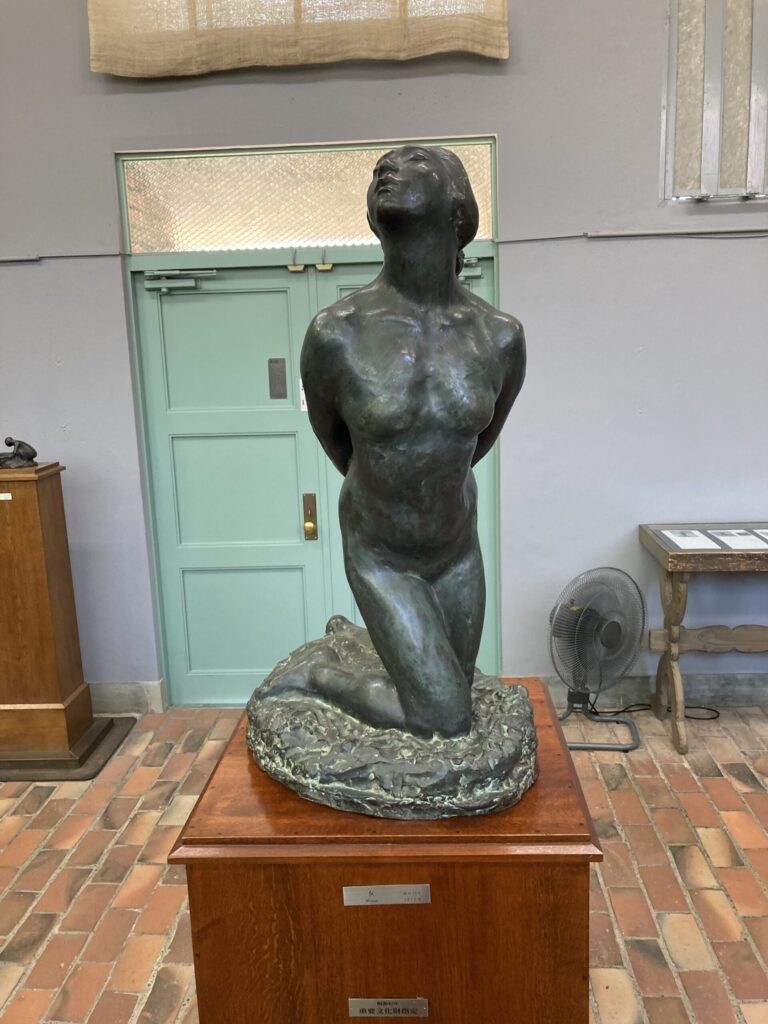
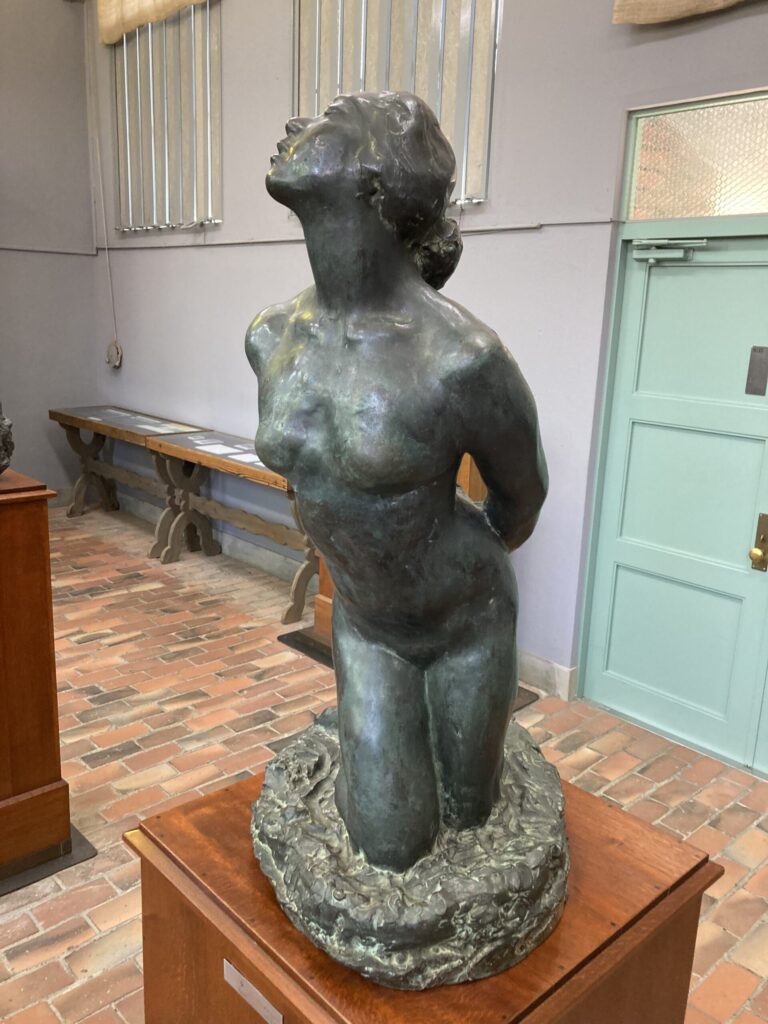
Thank you very much for reading until the end. (R-O)



コメント